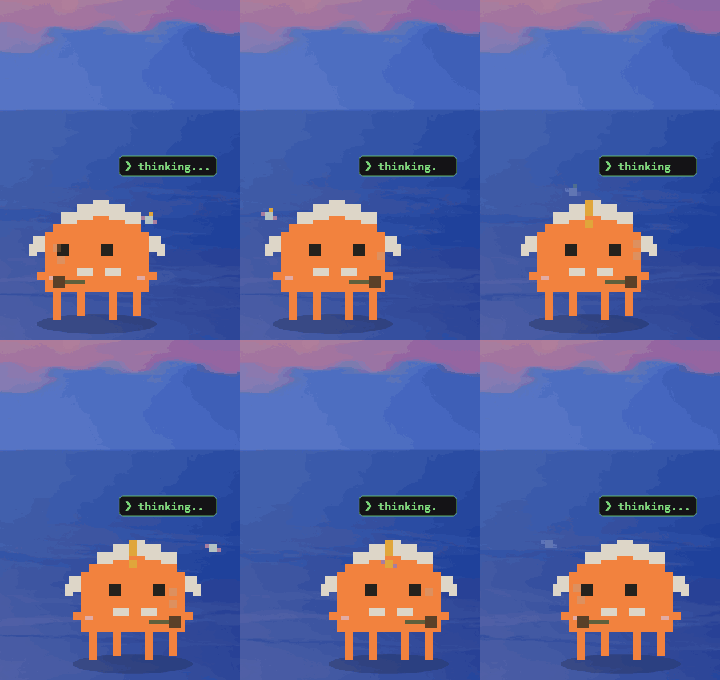
 ThinkingEinstein hair, pacing with a pipe
Tokibean 🫘
A desktop pet that shows you what your AI coding agent is doing — Claude Code and Codex — and how much quota each one has left.
brew install --cask zghey/tap/tokibean


A desktop pet that shows you what your AI coding agent is doing — Claude Code and Codex — and how much quota each one has left.
brew install --cask zghey/tap/tokibean
This is what sets Tokibean apart from the other coding-agent pets.
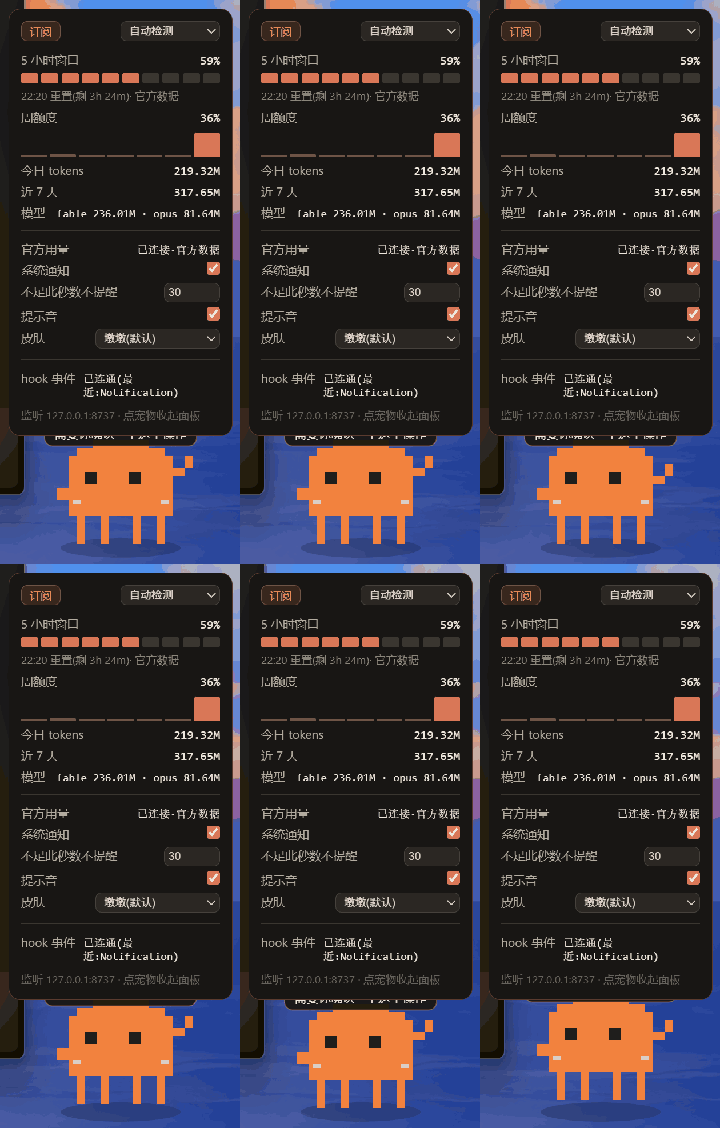
Connect your Claude account once, straight from the panel (a normal OAuth flow in your browser — the token stays on your machine). Tokibean then reads the official Anthropic usage endpoint, so the numbers it shows you are the real ones:
Codex gets its own card, and it costs you nothing to set up: Codex writes its quota — the percentage, the window length, the reset — straight into its own local logs, so there's no login at all. The two cards sit side by side and are never blended: Claude's window is five hours, Codex's is thirty days on the free plan, and averaging those would produce a number that means nothing. The pet warns when any agent runs dry, but only sleeps once every agent is spent — if Codex still has room, there's still work to do.
Everything else — every animation, every event — is driven by Claude Code hooks posted to a local server on 127.0.0.1. Nothing about your code or prompts ever leaves your machine.
One glance tells you where Claude Code is.
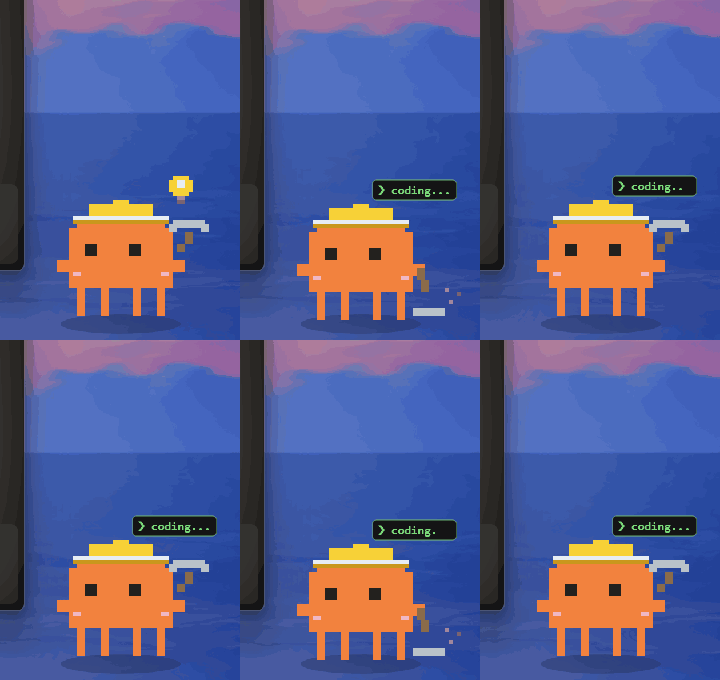
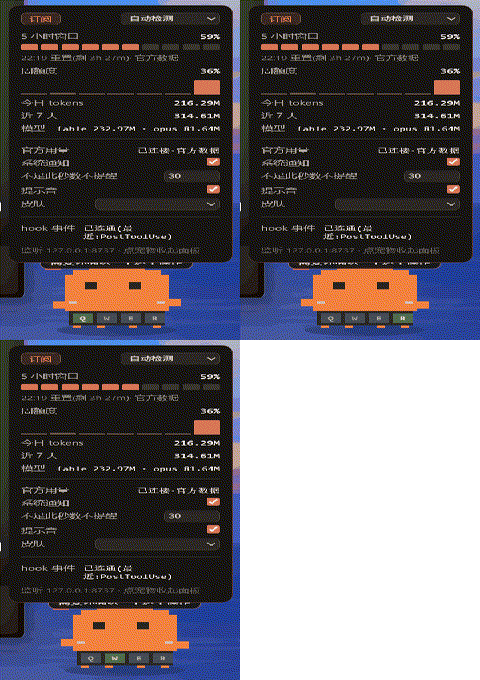
ThinkingEinstein hair, pacing with a pipe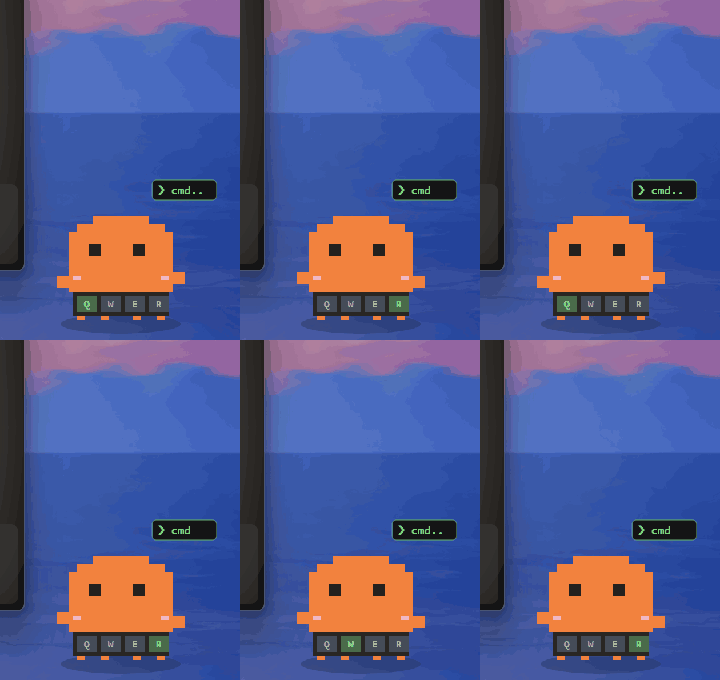 Running a commandQWER keycaps light up as it typesEditing codeLightbulb, then hard hat and pickaxe
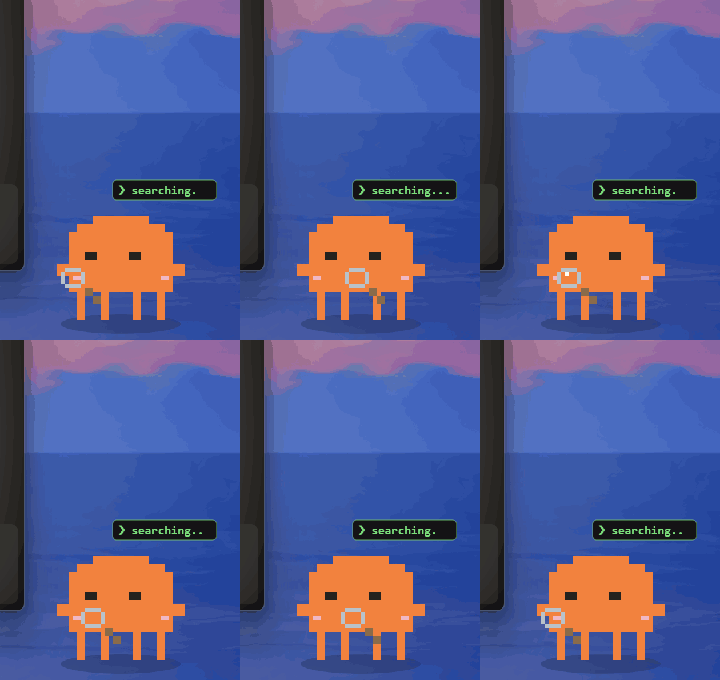
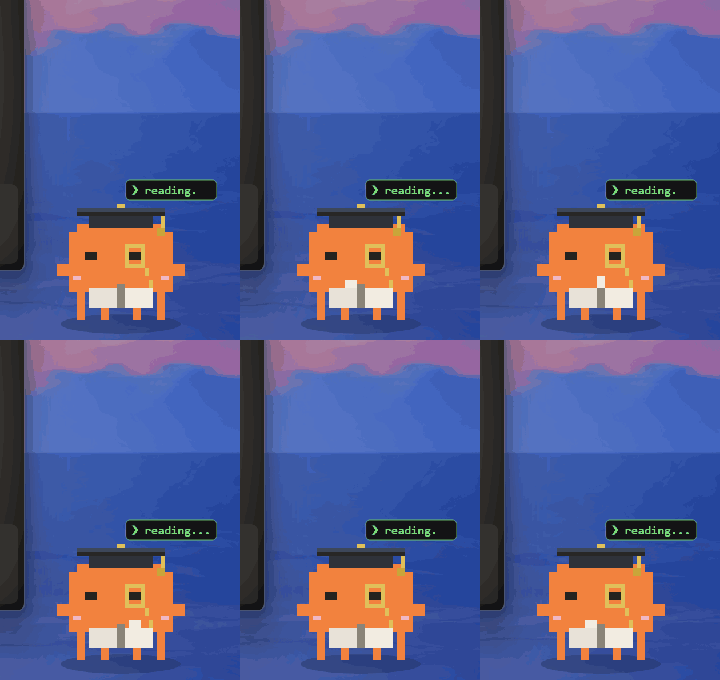 Reading filesScholar's cap and monocleSearchingSweeping with a magnifying glass
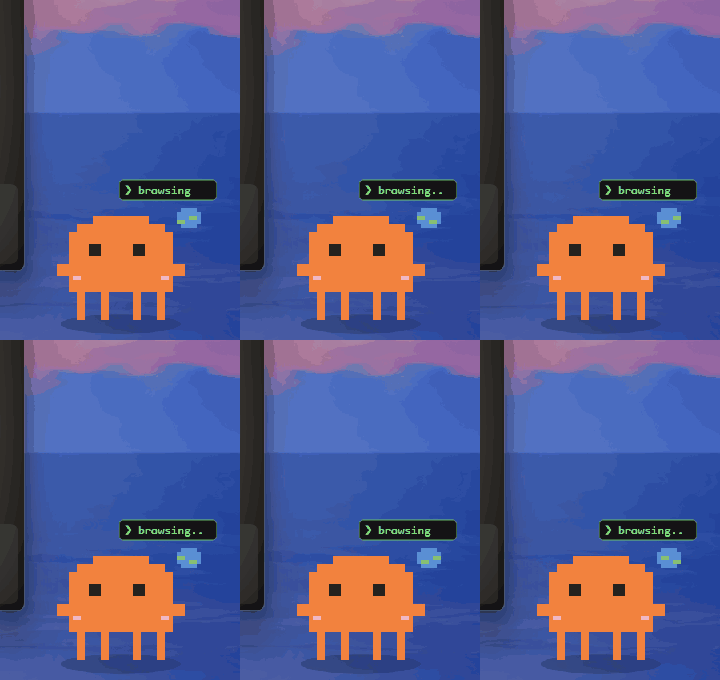 BrowsingA tiny globe spinning beside it
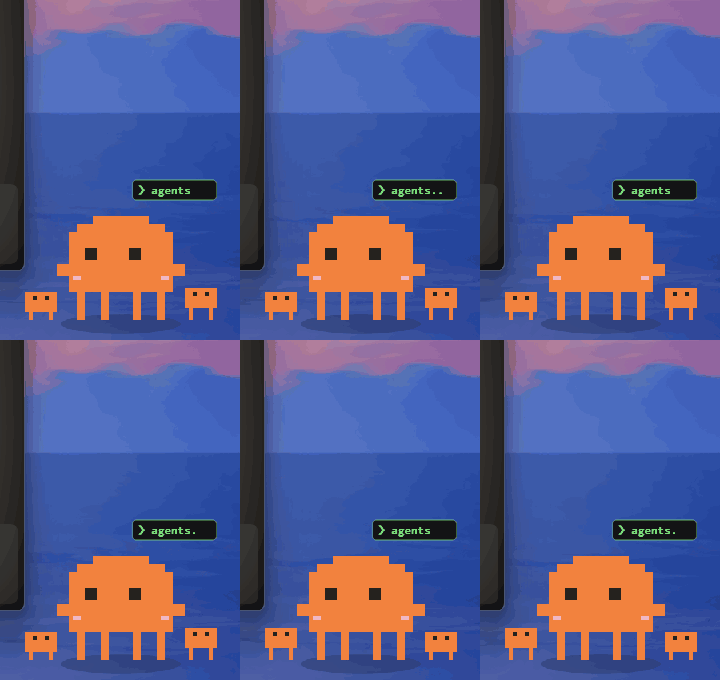 SubagentsMini clones hopping in sync
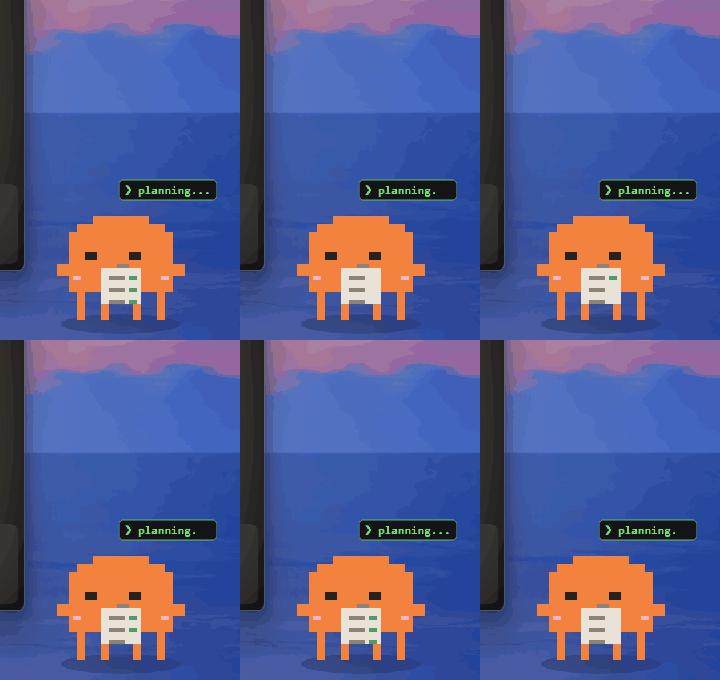 PlanningTicking off a clipboard
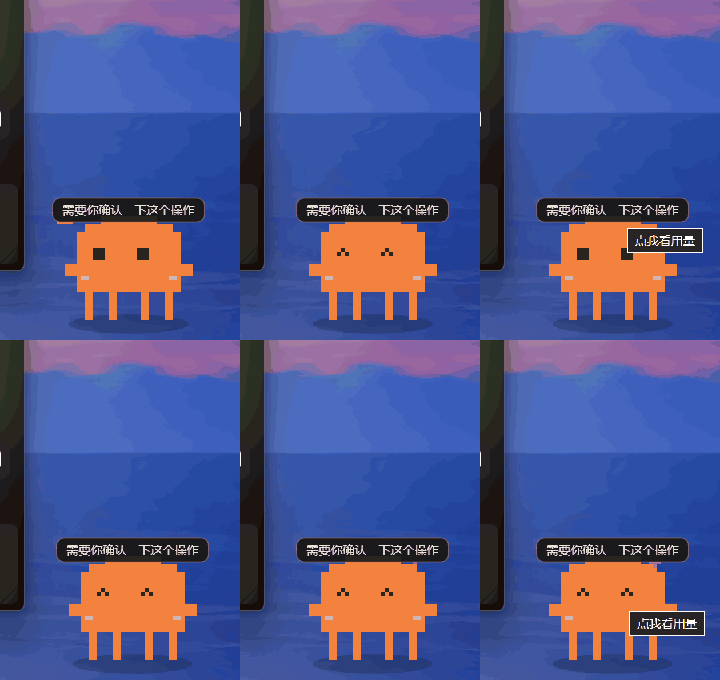
 Waiting for youWaves, then escalates to a horn
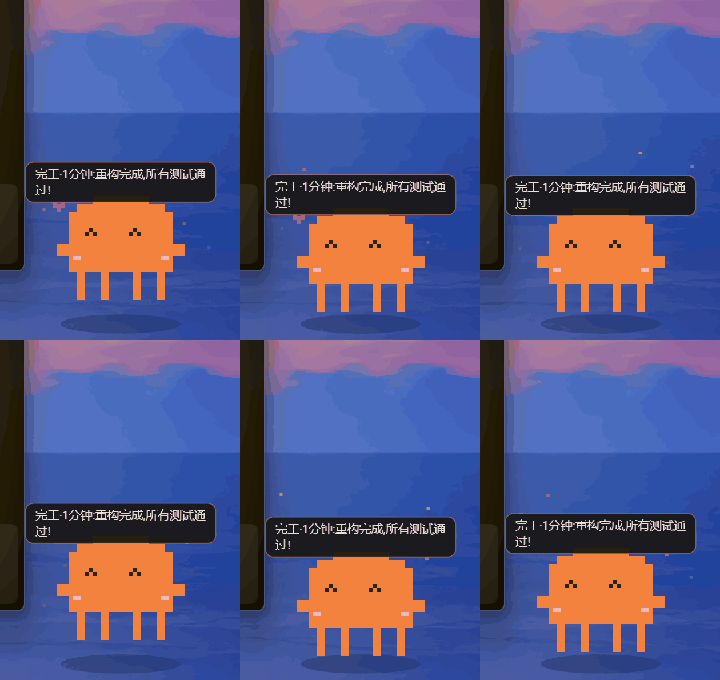
 Something erroredAngry red marks, shakingDoneConfetti; bubble reports duration
 IdleNaps, stretches, chases a butterfly
All from your local clock — no network, no accounts, no telemetry.
Three built-in skins (Archway Dundun, Bean, Tabby cat), and a skin is one standalone JS file — write your own.
brew install --cask zghey/tap/tokibean on macOS.~/.claude/settings.json (backing the file up first).Free and open source under the MIT license. Auto-updates from GitHub Releases.
Tokibean shows it live in its panel: the window percentage, the token count, and a countdown to the reset. Connect your Claude account once and the figure comes from Anthropic's own usage endpoint rather than a local estimate.
Yes. Install its hooks from the panel, then approve them with /hooks inside Codex — Codex won't run a hook until you say so, and Tokibean tells you plainly that they're written but not live until you do. Codex's quota then appears as its own card, read straight from its local logs. No account to connect.
Codex records used_percent, its window length and its reset time in ~/.codex/sessions/. Tokibean reads them and shows the percentage, the window (thirty days on the free plan) and a countdown — no API call, no OAuth, no token to refresh.
Yes — subscription mode is what it's built for. If you use an API key instead, it switches to dollar-cost tracking (today and the last 7 days) parsed from your local ~/.claude/projects/*.jsonl logs.
No. Hooks post to a local server on 127.0.0.1:8737, and usage is parsed from files already on your disk. The only outbound request is the official usage endpoint at api.anthropic.com, and only if you connect an account.
Yes to all three. On Windows the hook installer also syncs into every WSL distro's ~/.claude/settings.json, so Claude Code running in WSL is detected from the Windows-side pet.
No. It's an independent community project. "Claude", "Claude Code" and "Codex" are used only as factual compatibility references.